In this post we’re going to explore one of the most important traits I have sought and still seek to develop since I learned about it. High-agency. But what does it actually mean?
“Life can be much broader once you discover one simple fact: Everything around you that you call life was made up by people that were no smarter than you and you can change it, you can influence it, you can build your own things that other people can use.” – Steve Jobs
A high-agency person lives as if they have no concept of what their life “should” be. In other words, they do not passively accept the story that they are told about how their life should play out.
Essentially this means you:
“When you’re told that something is impossible, is that the end of the conversation, or does that start a second dialogue in your mind, how to get around whoever it is that’s just told you that you can’t do something? So, how am I going to get past this bouncer who told me that I can’t come into this nightclub? How am I going to start a business when my credit is terrible and I have no experience?”
— Eric Weinstein
A high-agency person takes a first-principles approach to creating the life they want. Most decisions they make, they understand the foundational reason for making that decision.
This is a great thread by George Mack about high-agency people.
1/ HIGH AGENCY
— George Mack (@george__mack) November 29, 2018
Once you SEE it – you can never UNSEE it.
Arguedbly the most important personality trait you can foster.
I've thought about this concept every week for the last two years since I heard @EricRWeinstein discuss it on @tferriss' podcast.
THREAD…
Why uncertainty is important and how to deal with it.
It’s a bit of a weird time in my life. There’s a lot of change and there is no clear path.
My girlfriend and I have made a pretty big decision, we have no idea how it will turn out and what we will come back to. I don’t have a job currently and don’t have a permanent place to stay. I’m effectively a traveller but in the country I live in.
For now and for the next few months, the objective is to save up more money, get a business venture to a place where it’s generating consistent income, and sell the van.
I’m applying for jobs, doing interviews, and working on Wild Minds Community. I have no idea how any of these things will go. I don’t know where I’m going to be based the next weekend, I’m living on a week-to-week basis.
How exciting!
Three years ago the idea of that would have made me throw up. I’m the type of person who gets far too comfortable in routine. It’s addicting to make predictable progress in a pursuit. There is a place for that. But often the most life-changing moments, ideas, and decisions come as a complete surprise.
This is not for people who have trouble sticking to a routine and never progress in any one direction, that’s a separate issue. It’s for people who enjoy the comfort and predictability of routine a little too much.
In my daily indulgence in the algorithm, I came across a video that really resonated with me. What caught my attention was the idea that the people who need the most security and certainty, do not live very comfortable lives. He wasn’t talking about comfort in the material sense, but rather the spiritual sense. How calm is your mind?
People who have their whole lives planned out, with a solid routine to follow, knowing exactly what’s coming, are not very spiritually comfortable. Unless everything goes exactly according to plan – so rarely, they’re very uncomfortable. Either they never learn anything new, because they already know exactly where they are going to be, or they get upset because something didn’t go to plan. This was me. If something dared to interrupt my routine, it felt like my day was ruined. This is a very fragile way to go about life.
The best things in my life have come after periods of uncertainty. In his book, Becoming Supernatural, Dr Joe Dispenza talks about the importance of existing comfortably in the unknown and how this creates the space for the things that are truly meant for you to enter your life. The reason being, rather than avoiding uncertainty by thinking about the past or the future, you bring your attention to the present moment. Where you place your attention is where you place your energy. By bringing your energy to the present moment, you’re in the best position to create the life you want. You can check out his book for a deeper explanation about how this can help you create the reality you want.
Important questions to ask:
There was a point in my life where I would have found this far too hippie dippy. But as I’ve learned more and more, through both reading and experience, I’ve realised the importance of creating space in your life for the unknown.
This is not to discount the value of consistency and routine. I LOVE consistency and routine.But there is an element of safety and comfort in that. I do think it’s important to force yourself out of it from time to time.
While that sounds pretty far out, I’ve realised upon reflection that the best periods in my life have been the result of dealing with a certain amount of uncertainty. Before I bought Victor (my van) I had 2 months of limbo, not knowing whether or not I would find one that I was able to afford and met all my needs, where I didn’t have a permanent place to stay. If I had been less tolerant of uncertainty, I would have given up and fallen back on the more secure option of renting a place. I would have missed out on A LOT.
After getting made redundant, while fun at first, soon an overwhelming sense of uncertainty and insecurity crept in. The fear that comes with not knowing what I would work on next, not knowing what my life would look like in 3 or 4 months, not knowing whether I’d be able to keep living in the van. It’s scary living off savings and watching your bank account slowly tick down. If I had been less tolerant of uncertainty, I would have scrambled for another job, one that most likely would not allowed me to be so flexible and free for the next 4 months. And yet again, I would have missed out on A LOT. My life has been so much richer than it would have been, just because I tolerated a bit of uncertainty and kept moving forward.
There is a balance to be struck between security and freedom, risk and reward. So if you want reward, you’ll just have to accept that there might be some risk involved.
“The quality of your life is determined by the amount of uncertainty you can comfortably live with.”
Tony Robbins
One of the great freedoms is being able to deal with uncertainty. Once you accept this, uncertainty begins to feel exciting.
You wake up, get ready for your day, and like a good citizen, get on the BBC.
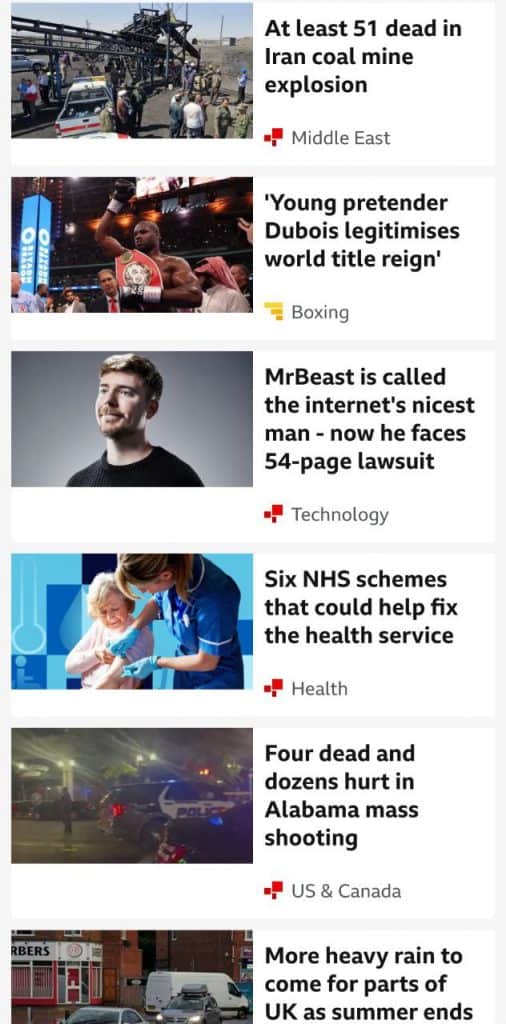
After getting up to date on World Affairs, you get on Tiktok.

An hour later you regain consciousness, feeling joyful, grateful, and full of faith in humanity.
Or not.
“What information consumes is rather obvious: it consumes the attention of its recipients. Hence, a wealth of information creates a poverty of attention and a need to allocate that attention efficiently among the overabundance of information sources that might consume it.”
HERBERT SIMON, recipient of Nobel Memorial Prize in Economics and the A.M. Turing Award, the “Nobel Prize of Computer Science”
Your attention is your greatest asset. Reclaim it.
How can you navigate the 24/7 onslaught of information you’re subject to in modern life?
You’ll be encourage and often pressured to keep up to date with current events. You will be fed narrative after narrative in an attempt to influence your emotional state and worldview. I’ve had many conversations with friends and acquaintances that believe it’s important to consume the news. But who does it actually serve?
Every organisation, no matter how virtuous or corrupt, is fighting a war for your attention.
In his book “The 4-Hour Workweek”, Tim Ferris talks about the importance of ‘selective ignorance’ and ‘cultivating your information diet’.
In short:
Protect your attention ruthlessly. Mindful consumption of information is just as important as mindful consumption of food.
It’s normal, even expected, for people to over-consume information – often passively. They are fed information through news channels and papers, and now social media.
That’s the goal. The passive consumption of an infinite hose information the objective for social media companies. They’ve invested billions of dollars into both the design of their platforms and the content they serve you.
The development of the continuous scroll feed, combined with the uncanny relevance of the content they serve you, is designed specifically to steal your attention. Their platforms are designed to pull you into a flow state so that you don’t realise how much time has passed.
As someone who regularly gets sucked in by the algorithm and then spawns back into reality an hour later wondering why I’m watching a guy yell at himself while he does leg extensions, I am no stranger to this.
What does it cost?
It cost more than time. It cost attention. This is far harder measure than time, but much more valuable. Your attention determines the quality of your time. Your attention is what makes you feel alive and present. It is what your loved ones need from you. It is what your work needs from you. It is precisely what is stolen from you through billions of dollars of investment in data science and behavioural research.
I’m not saying there isn’t a way to use it healthily nor do I think using social media in moderation is unhealthy. But I seem to be incapable of doing that.
You may feel you have an obligation to keep up to date with everything that’s going on in the world. You don’t. It would be exhausting to care about everything the media puts on your plate. You have to choose what you care about.
There are some terrible things going on in the world. I can see why it would seem insensitive to not know and “care“ about these events. So I want to explore that further.
What does it mean to care?
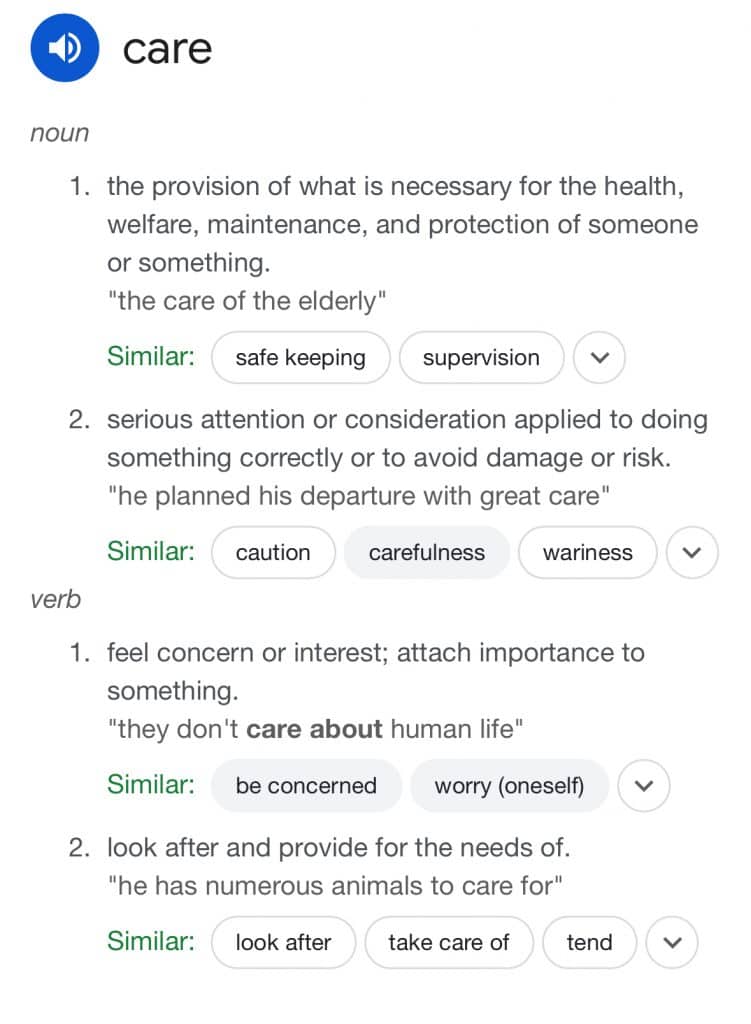
it seems like all the definitions of care involve one of two things:
So the question is: Are you going to take action? Or are you going to become emotionally attached to the situation?
Our attention and energy is a limited resource. By choosing to care about all the terrible things going on in the world, you are deciding not to care about something else. So the question is: Is this the most important thing you can dedicate your time and attention to?
You might say that if everyone only consumed information that was relevant to their goals, humanity would be shallow. But that’s only true if people have shallow goals. If your goal is to educate people about the issues you care about, then consuming about those issues is relevant to your goal.
To paraphrase Mark Manson, you cannot care about everything.
“You and everyone you know are going to be dead soon. And in the short amount of time between here and there, you have a limited amount of fucks to give. Very few, in fact. And if you go around giving a fuck about everything and everyone without conscious thought or choice—well, then you’re going to get fucked.”
Mark Manson, The Subtle Art of Not Giving a F*ck: A Counterintuitive Approach to Living a Good Life
Limiting your passive consumption and ignoring information that’s irrelevant, unimportant, or inactionable, can go a long way. If you eat every bit of food you come across at a buffet you won’t have room for the good stuff.
You don’t have to live with your head in the sand, you can get a pretty good idea of anything important just by paying attention as you go about your day to day life. Scan headlines and occasionally listen when people are talking and you probably won’t miss anything important.
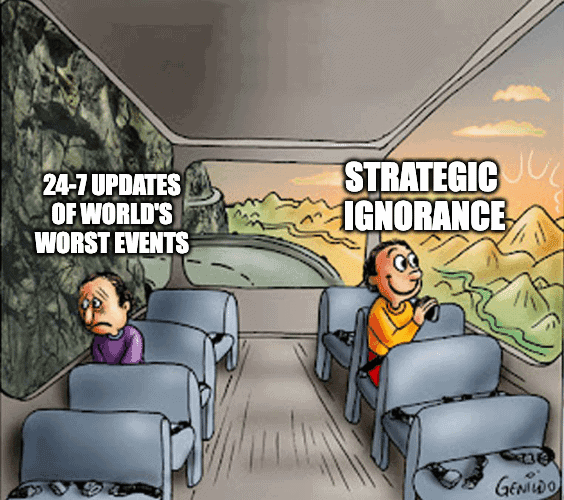
In my experience, strategic ignorance has worked pretty well. All I’ve observed so far is a decreased sense of dread, a greater sense of peace, and more gratitude.
It’s easy to rush and label your current situation. But by doing that you define the relationship you will have with the present moment. There is a difference between “I am experiencing negative emotion.” and “My life sucks.”. One is an observation. And the other is a conclusion, a conclusion that really was arrived at with incomplete information. We cannot know the future, so we cannot make any conclusion about the present. We are much better off observing and accepting the current situation than labelling and resisting it.
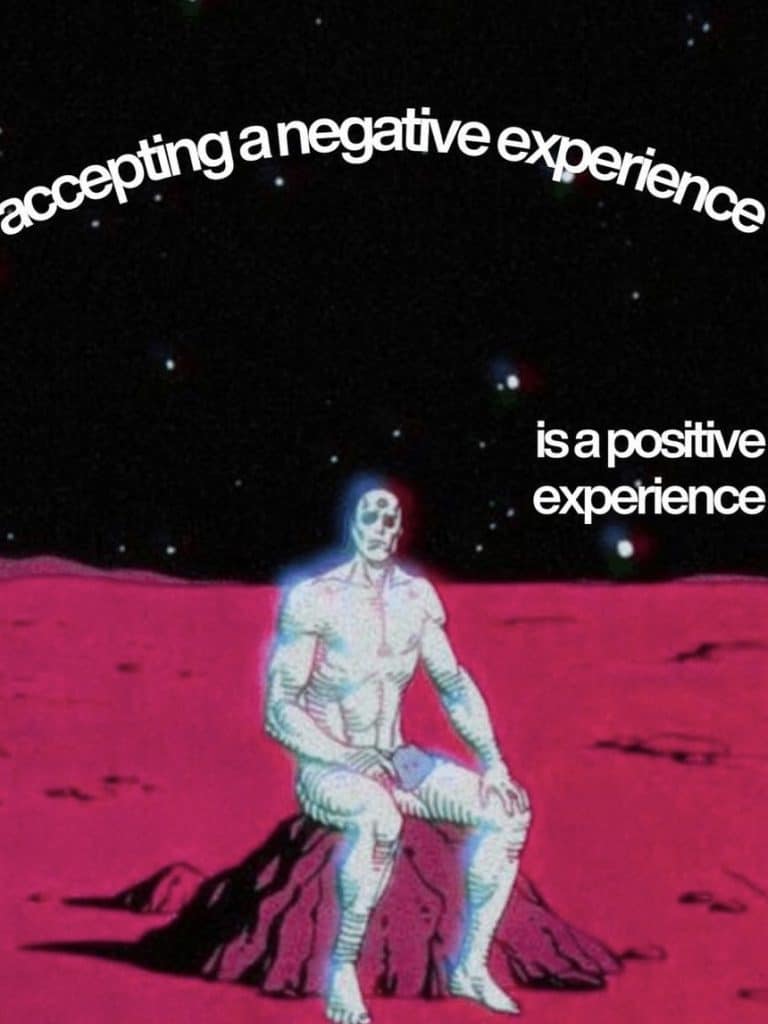
The state of a situation – bad or good, can really only be determined with perspective and the benefit of hindsight. And even then it’s all relative.
In his book A New Earth: Awakening to Your True Purpose, Eckart Tolle tells the story of a Zen Master:
“The Zen Master Hakuin lived in a town in Japan. He was held in high regard and many people came to him for spiritual teaching. Then it happened that the teenage daughter of his next door neighbor became pregnant. When being questioned by her angry and scolding parents as to the identity of the father, she finally told them that he was Hakuin, the Zen Master. In great anger the parents rushed over to Hakuin and told him with much shouting and accusing that their daughter had confessed that he was the father. All he replied was, “Is that so?”.
News of the scandal spread throughout the town and beyond. The Master lost his reputation. This did not trouble him. Nobody came to see him anymore. He remained unmoved. When the child was born, the parents brought the baby to Hakuin. “You are the father, so you look after him.” The Master took loving care of the child.
A year later, the mother remorsefully confessed to her parents that the real father of the child was the young man who worked at the butcher shop. In great distress they went to see Hakuin to apologize and ask for forgiveness. “We are really sorry. We have come to take the baby back. Our daughter confessed that you are not the father.” “Is that so?” is all he would may as he handed the baby over to them.
The Master responds to falsehood and truth, bad news and good news, in exactly the same way: “Is that so?” He allows the form of the moment, good or bad, to be as it is and so does not become a participant in human drama. To him there is only this moment, and this moment is as it is. Events are not personalized. He is nobody’s victim. He is so completely at one with what happens that what happens has no power over him anymore.
Only if you resist what happens are you at the mercy of what happens, and the world will determine your happiness and unhappiness. The baby is looked after with loving care. Bad turns into good through the power of nonresistance. Always responding to what the present moment requires, he lets go of the baby when it is time to do so.”
It is unavoidable that situations will arise that cause you to feel negative emotion. But the situation, the present moment, doesn’t need to be good or bad, it just is. Once you pass judgement however, you have decided what relationship you want to have with the present moment. You can choose to welcome it or you can choose to resist it, but it will come all the same.
You never know how these moments will fit into the broader context of your life. By moving forward with non-attachment, non-judgment, and most importantly non-resistance, you can navigate these situations with a degree of consciousness. You’ll be able to decide exactly what kind of relationship you have with the present moment. Do you want it to be a friendly relationship or a hostile one?
Given my current situation – unemployed and uncertain about next moves, embracing the principle behind “Is that so?” has certainly helped me go about my life in a less reactive and more concious way. Perhaps it will help you as well.
What most people mean when they say they want to get “in shape” is that they want to get bit leaner. This is a combination of two things:
You could argue good cardio belongs in the list too but I would challenge you to find a fat person that cares about their 5K time. Most people just want to have a bit more muscle mass and a bit less body fat.
It goes without saying that you need to eat “right” and exercise. These often mean different things to many people.
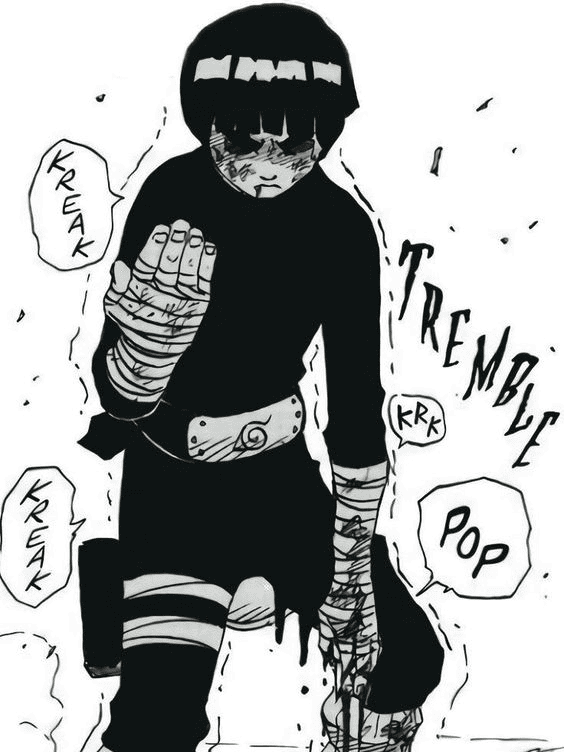
For people over the age of 60, injury is what sparks the rapid decline of their physical capacity.
It is a depressing time for people of all ages. You do not want to be in this position.
I’ve managed to strength train hard for 6-7 years alongside at least one other sport. Ironically it was an injury that got me started in the first place.
I’ve gained muscle and gotten lean, lost it again and then gained it back many times over that period. In that time, I was sidelined with injury only once, 6 years ago when I had a small fracture in my foot which prevented me from training for 3 weeks.
It’s difficult to get injured just from strength training, unless you do it wrong or you have a pre-existing issue. But, dynamic sports like surfing and jiujitsu will increase the risk of injury. I’ve pursued all 3 simultaneously over the past 2 years and have been fortunate enough to have avoided any serious injury. That’s been critical to maintaining fitness and more importantly, enjoyment.
I go into more detail into what you can do to minimise your risk of injury in this post.
These are things that I believe have helped me prevent it.
Most of it comes down to this: don’t do stupid shit, train your body to be robust in deep ranges, and take a measured approach to pushing your limits. And a little bit of luck.
Please do not load up more weight than you can handle for the full range and then bang out pitiful partial reps. As a general rule, if you can’t handle it at full range you shouldn’t be handling it. If you have poor mobility, this is something that you need to address first and foremost. This applies to most people. Training through a full range will circulate blood around the joint, stimulate the joint fully and will improve joint health. We’re starting to see this gaining popularity with people like Ben Patrick leading the charge.
People ask me, because I squat pretty low, “Aren’t you worried about your knees?”. The truth is I had knee problems 6 years ago before I started training and haven’t had any for quite some time. While Jiujitsu or an occasional run seems to aggravate one of them, this usually follows a period of lack of strength training and usually goes away once I resume.
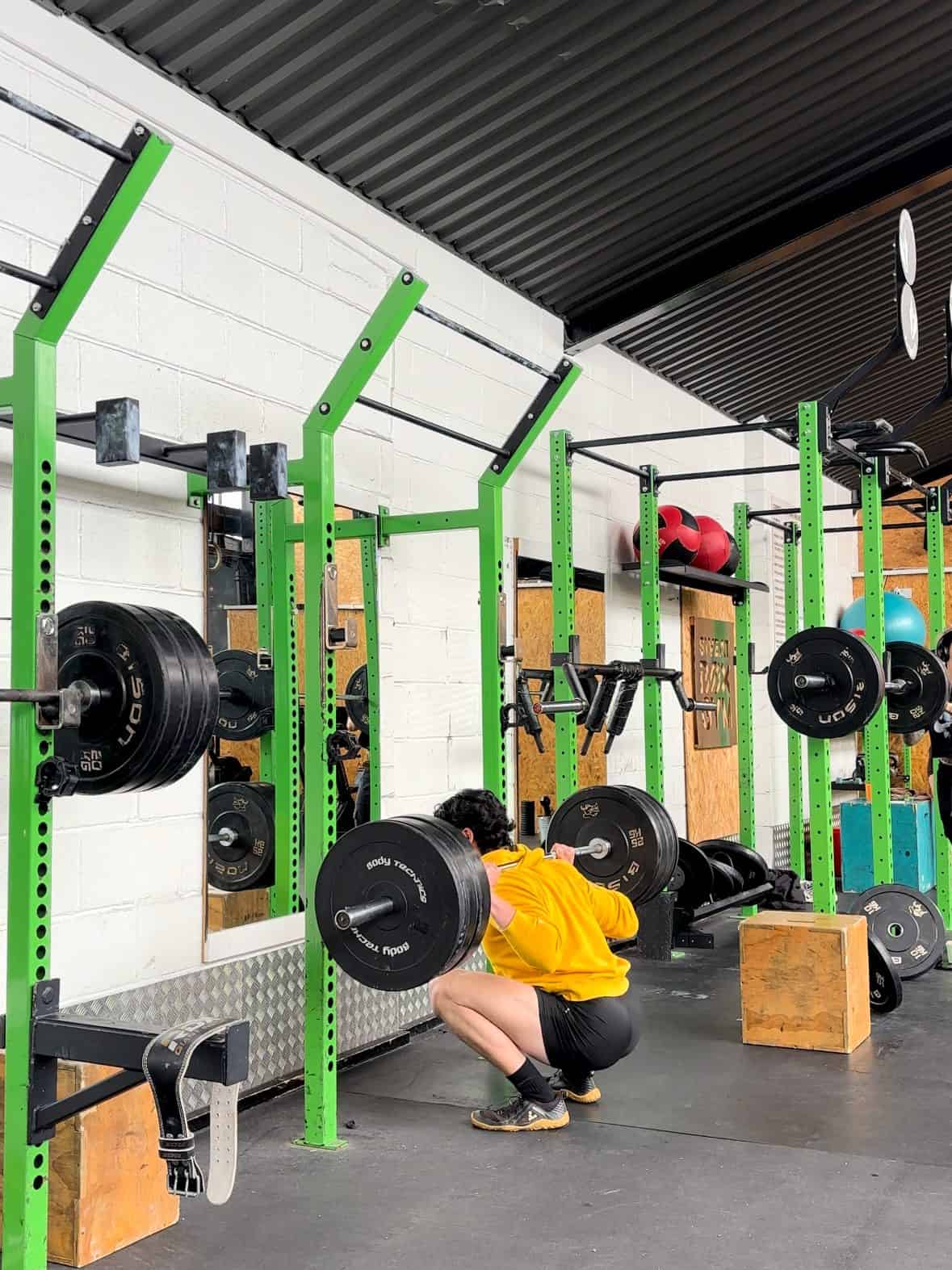
Shoulder, neck, lower back, groin. You get injured because your body is not prepared for what you’ve put it through. Muscles in the neck lower back and groin are commonly injured and many people don’t train these. Training the lower back and groin through a full range will go a long way to making you more robust.
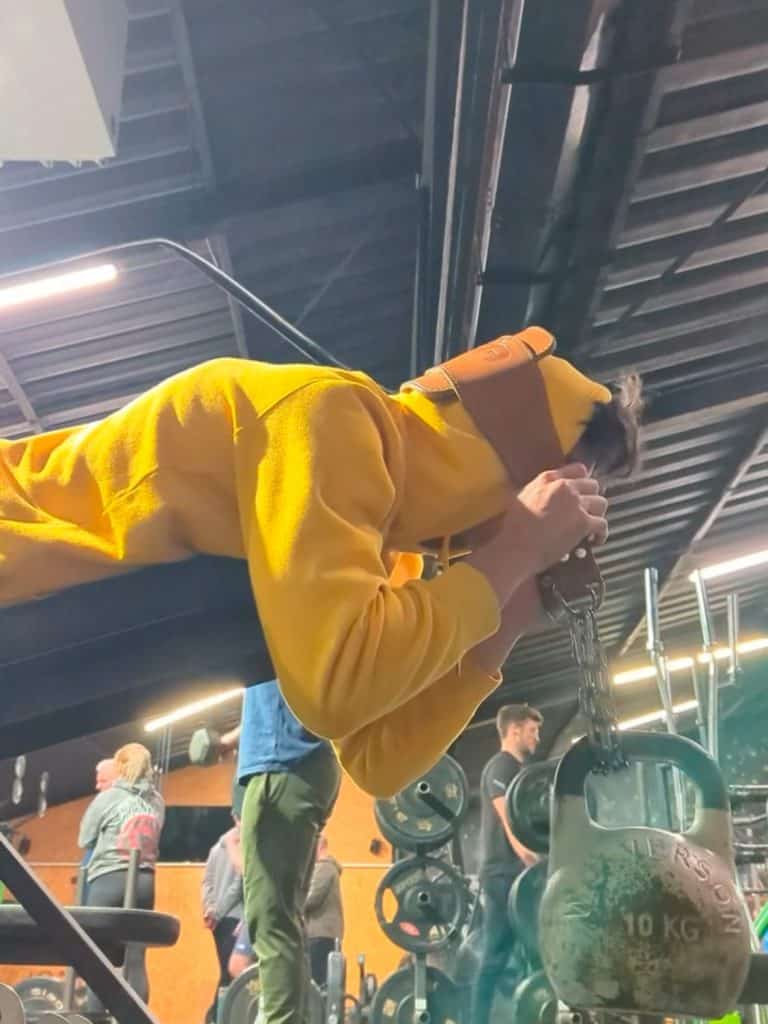
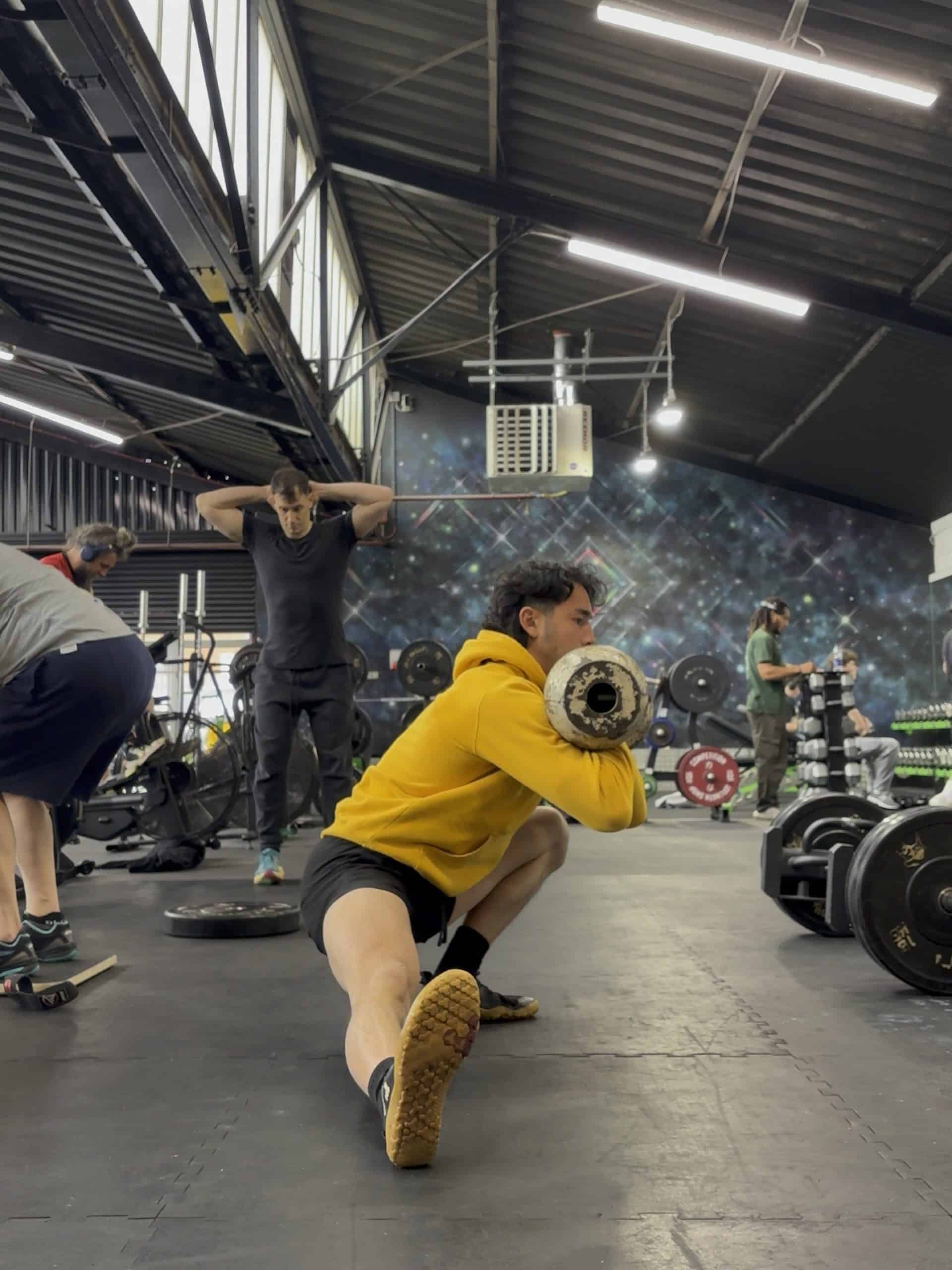
Do not rapidly increase the weight the weight you’re working with. Don’t spontaneously decide to try your friends workout and go 10/10 effort. Slow and steady gains are key. Increase the weight by 2.5% each week and not more unless it feels REALLY easy. Train hard, but also chill. Unless you’re competing in a powerlifting tournament you are not in a race.
If you feel pain, you can still train. But do not train through the pain. Train right up to the range of motion that causes the pain and keep the joint moving. Immobility is your enemy.
Strengthen your feet by going barefoot more, or get some barefoot shoes. Strong feet and ankles are the foundation of the lower body. They are the first point of contact with the ground and play a significant role in force absorption. Allow your feet and ankles to express their full potential. If your ankles are weak and you wear shoes that support (restrict) them then that force gets transferred up to your knees and hips to compensate. Your body is designed to work as one, restricting one joint will lead to additional stress on the others. If your feet are weak, your risk of lower body injury is high.

(from a Software Engineer)
I believe your use of Generative AI should look something like this:
Output: Do not use it to create but rather to enrich what you can create.
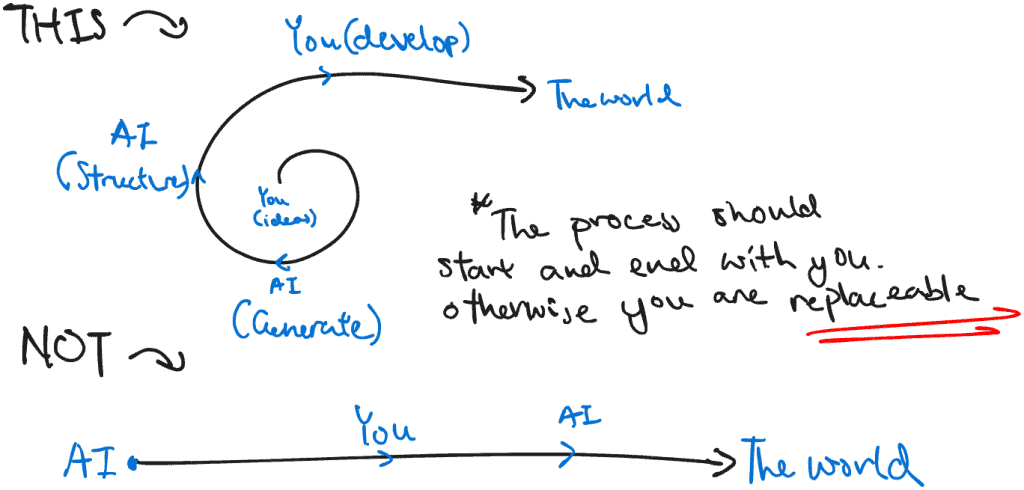
Input: Use it to develop your own sources of information rather than using it as a source.
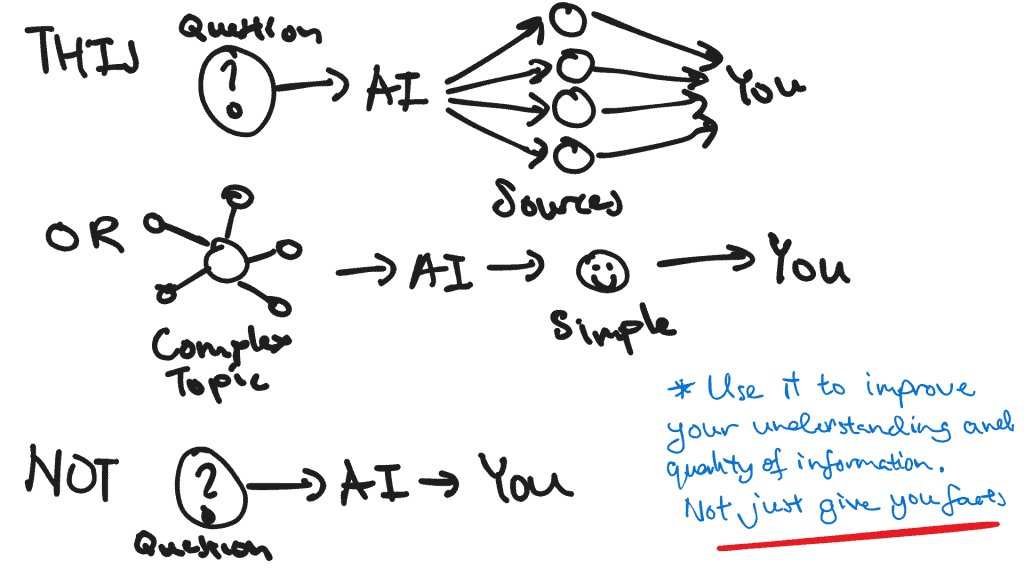
Tools like ChatGPT are incredible and can significantly improve your life if you use them right. But using ChatGPT to replace your output will often cost you in the long term by making you less effective and easy to replace.
How can you use it most effectively? First, you’ll have to know how these tools work so that you can understand where they fall short.
This is the basic principle of how they work:
The model has been fed vast amounts of text from a variety of sources. From the text it is fed, it is trained to predict the next word in a sentence. Basically, the predictive text on your phone keyboard but on steroids. There’s a little more going on, but that is the basic principle. The reason it can answer your questions is in part due to the fact that it has been fed a lot of text containing questions and answers.
What does that mean?
It means that it doesn’t actually “know” anything. If you ask it a question, it will give you the text that is most likely to follow the words in that question. This means it can make stuff up and doesn’t know where it’s getting this information or why it’s true. It’s not too dissimilar to the way humans think. Most of us start off with deep-seated beliefs that are trained into us and we don’t know why we believe them.
It also means that if you use it to write anything, you end up with something that sounds incredibly generic. I’ve tried using it for email marketing content and copywriting. Everything it produced, even when specifically trained for the task, was generic and I wouldn’t have felt comfortable using it.
So how can it best help you?
While I wouldn’t rely on it to give you a reliable answer to a factual question, it’s good at directing you to sources of information based on your specific question.
For example: “What role does the sun play in our metabolism? Give me the best books that explore this topic”. And it would then direct you to sources of information that are far more reliable.
Or you could say: “I really like [ book title ] and I want to know more about [ topic ], what books can you recommend?” I’ve used that one loads.
Anything creative often needs to be expressed within a structure. Writing follows a certain structure
Software development always begins by setting up a project environment before you can actually start coding. This is tedious and is not where you can have the most impact so by letting AI handle it, you can spend more time on the creative aspect.
You can use it to structure an essay (or a blog post). “I’m going to write about this, what structure would you recommend?”
It can help you design software systems by laying out the various components and give you a starting point for your code which you can then refine. This makes building anything much easier if you know what you’re doing.
If you’re trying to do something you’ve never done, a good place to start is asking ChatGPT or Google’s Gemini how it can be achieved. You’ll get a summarised list of possible solutions to a problem you’re facing, you could get it to plan an email marketing campaign for instance, create an outline for an essay you’re writing, or recommend the best tech stack for a software engineering project. Make your questions open-ended so that instead of providing you with a single solution, provide your possible solutions and explain their merits and drawbacks. Start your search as wide as possible, then use your best judgement to narrow it down.
You can ask it to explain any concept to you in a simple way and if you can’t understand it just ask it to simplify it again and again until you can. You would be surprised at how well it explains complex topics. It can also come up with a curriculum for you to learn any concept or skill, along with a resource list.
These are all ways you can use AI to make yourself more effective and less replaceable. The point is you still have to do the work, but it can help you figure out what work you should do.
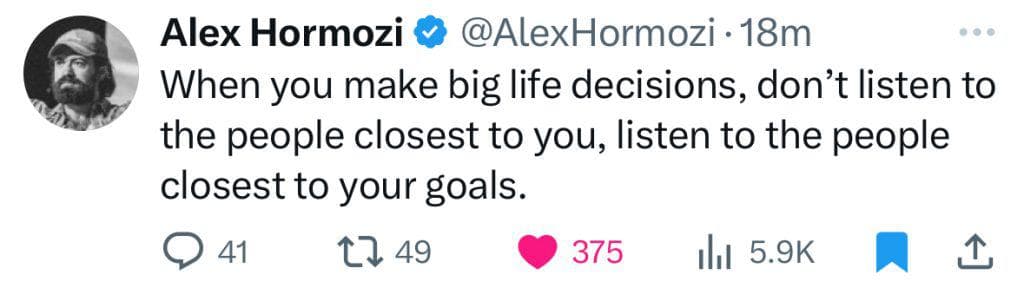
Most of the time, the people closest to you love you and want the best for you. They might be more experienced and may have done very well for themselves.
That doesn’t mean you should listen to them.
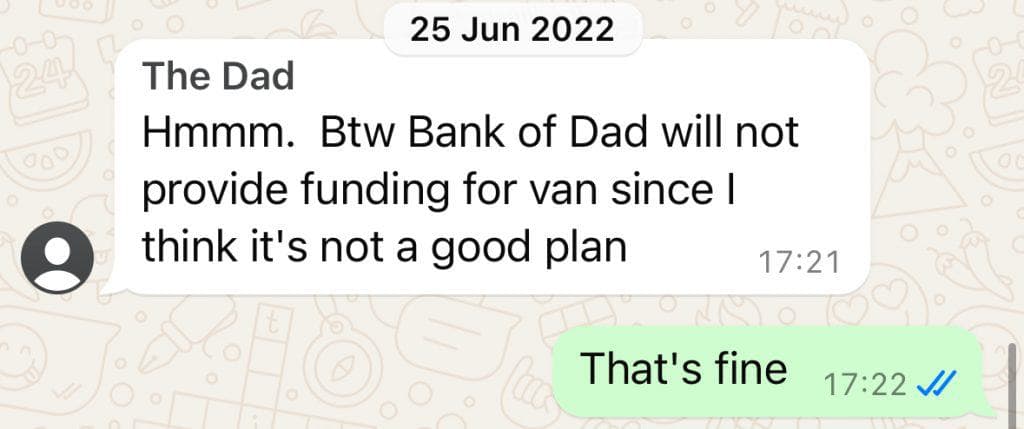
They may care about you deeply and they will tell you what they honestly believe you should do. And they will often have very reasonable arguments.
My dad did not think that moving into a van was a good plan. Neither did my mum. They had good reason for believing so.
When I was 12, my dad saved up enough money to take us to New Zealand for a month. We stayed in a campervan for two weeks. An idyllic experience that we were very lucky to have. At the time, I didn’t think so. I complained the whole time and all I wanted to do was play Cut the Rope on my iPad (yes I was a loser). He took us to the epic Mt Cook and we were going to hike a short distance up the trail. I refused and went back to the van, and my mum had to come with me because she couldn’t leave me alone. Although, I suspect she would not have liked a hike had we done one.
Nevertheless, that’s just one example of times I have staunchly avoided adventure.
Hopefully, that illustrates why my parents thought it was a terrible idea for me to move into a van. Very reasonable.
Thankfully I didn’t listen.
2 years later, I can safely say that is in the top 3 best decisions of my life.
What the van has given me and my loved ones in terms of memories and experience is well worth the “inconvenience”, occasional discomfort. and the money I’ve spent on it.
My dad did actually come around to the idea once he saw I was serious about it. And while he didn’t give me any funding (thankfully I didn’t need him to), he gave me guidance and support when there were issues.
The best decisions of your life will sometimes look ridiculous to others.
A few people close to me also told me I was crazy and that it was a bad idea, others supported the idea. You must not be swayed either way. Trust your gut.
And a lesson in the power of inversion.
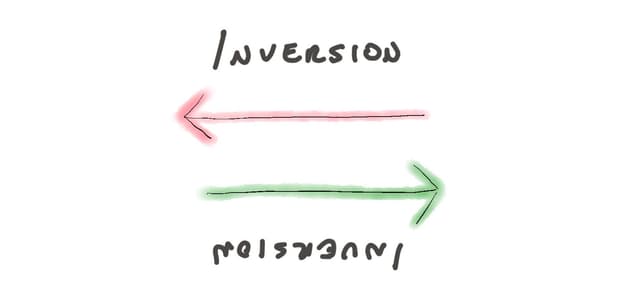
The question “How do I live a good life?” has been the subject of much thought and debate for thousands of years. Religions are birthed around this question, and wars are fought over it.
There is no right answer, everyone will have a different one.
Inverting, however, makes this simpler.
Ask yourself “How would I live a terrible life?”
You’ll find this easy to answer. Humans love negativity.
Here’s mine:
Now when you have your list. Simply do the opposite. You’ll probably end up with a life you’re happy with.
Every business exists to solve a problem that you either can’t or don’t want to solve yourself.
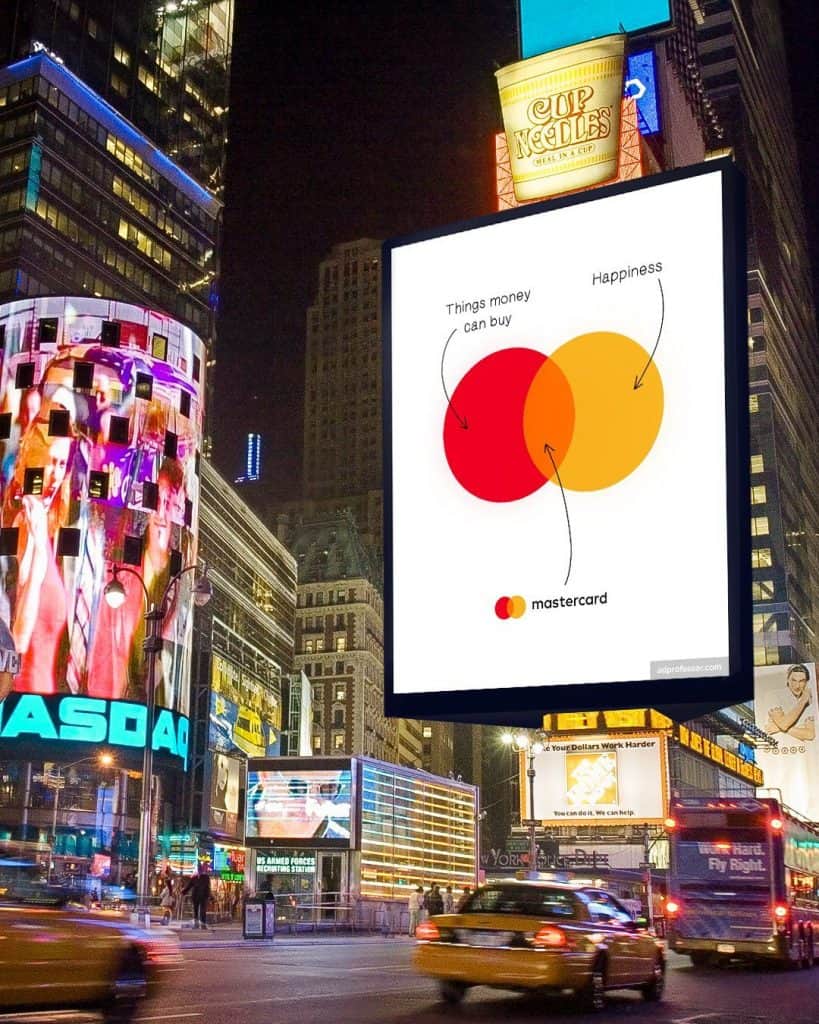
But the reality is that you probably do not need what 90% of businesses are offering.
You just feel like you do.
In order to convince you of this, corporations have to convince you of 3 things:
Maybe all of these things are true, in which case you should become a customer.
But the first step is the most important. You must first be convinced that you have a problem.
There are really only a few things that most people need. Think about your essentials. Things like water, electricity, food, waste management, etc. I would even throw knowledge in there as an essential. I’ll explain why later on.
Yet people continue to spend insane amounts of money on things that they don’t need, don’t bring them any joy, but seem to solve a problem in their lives that they feel they couldn’t solve themselves.
Take for example, alkaline water filters – many Asian women in Malaysia have been convinced that these filters are the secret to optimal health. I know this because my mother is one (she has the best intentions).
What problem is it solving? Your body is too acidic. By my understanding, it leads to a dysfunctional metabolism. Your cells function best at a slightly alkaline pH [1].
Okay so there we have a problem. Our body is too acidic. Alkaline water makes us more alkaline, assuming it works as advertised. The perfect solution! How did we ever survive without this?
You believe you don’t have the solution. There is no other way for you to make your body alkaline. So you pay a rather large amount of money for a water filter that also alkalises your body. Problem solved right?
Well it turns out, nature has given us all the tools we need to live optimally. Because our bodies are in fact meant to be alkaline, nature has provided a simple way for us to achieve this.
One that doesn’t cost any money. One that is more effective than any man-made solution.
So, how could you alkalinise your body?
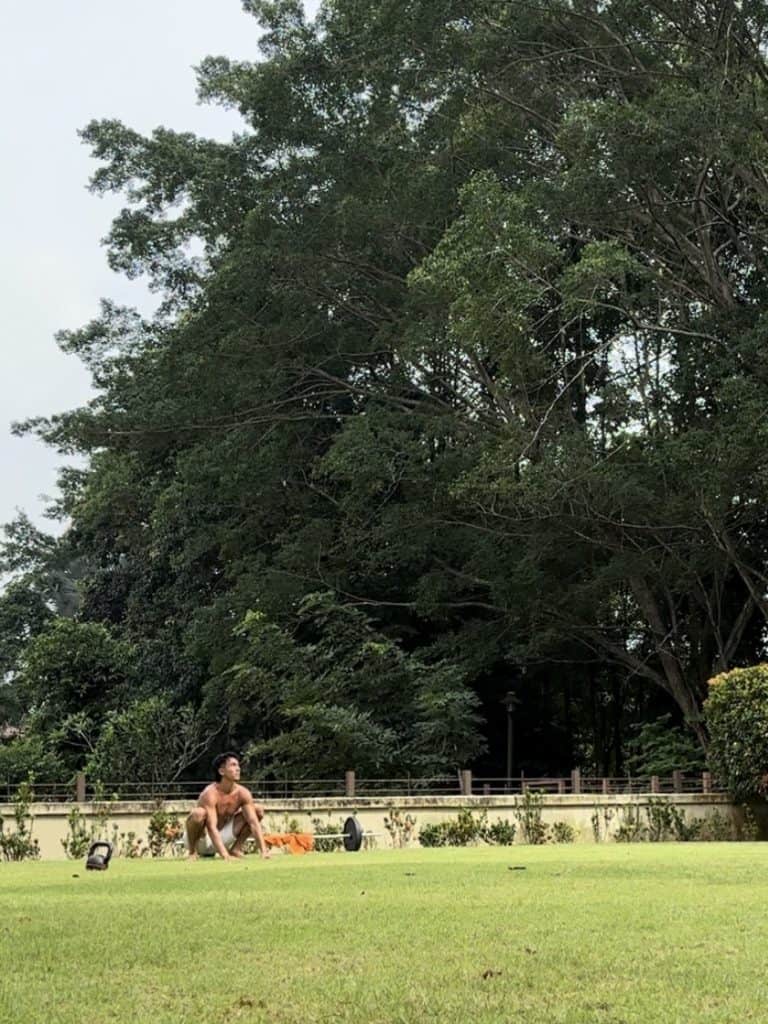
It turns out, you can simply walk outside, and place your bare feet on earth. You’ll draw up negative charge from the earth and viola, your body is now alkaline, your mitochondria are firing more efficiently, and inflammatory markers going down.
You definitely should be using a water filter, and there certainly isn’t any harm to drinking alkaline water. But do you need it to solve the problem it claims to solve?
Probably not, and certainly not for the prices that they are sold for – the ones that work anyway.
There are many examples where this is not the case, where corporations convince you that they can solve a problem that they have convinced you exists. Or that their solution protects you against the thing that causes the problem.
For example, many people are convinced that sun exposure causes melanoma. Melanoma is a terrible disease, you would do well to avoid it. Luckily Big Skin has your back. The solution? Artificial chemical sunscreens. Even if we assume that the problem (melanoma) is caused by sun exposure (which I do not believe is the full story), there are plenty of simple solutions to the problem. Simply seeking shade being one.
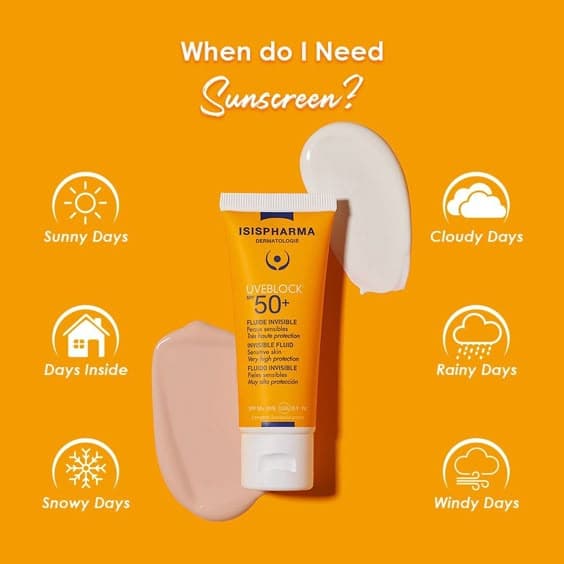
Since the introduction of chemical sunscreens, skincare companies have doubled down on marketing how essential it is that you protect yourself from the sun. They would have you believe you need to be applying and re-applying sunscreen multiple times a day, every day, even if it’s cloudy. All so that you go through their product even faster and make them even more money.
The right kind of knowledge can empower you to take more control over a key aspect of your life, your health. You can do this for free most of the time.
There is an abundance of examples of how we have been convinced we have a problem and need expensive external solutions:
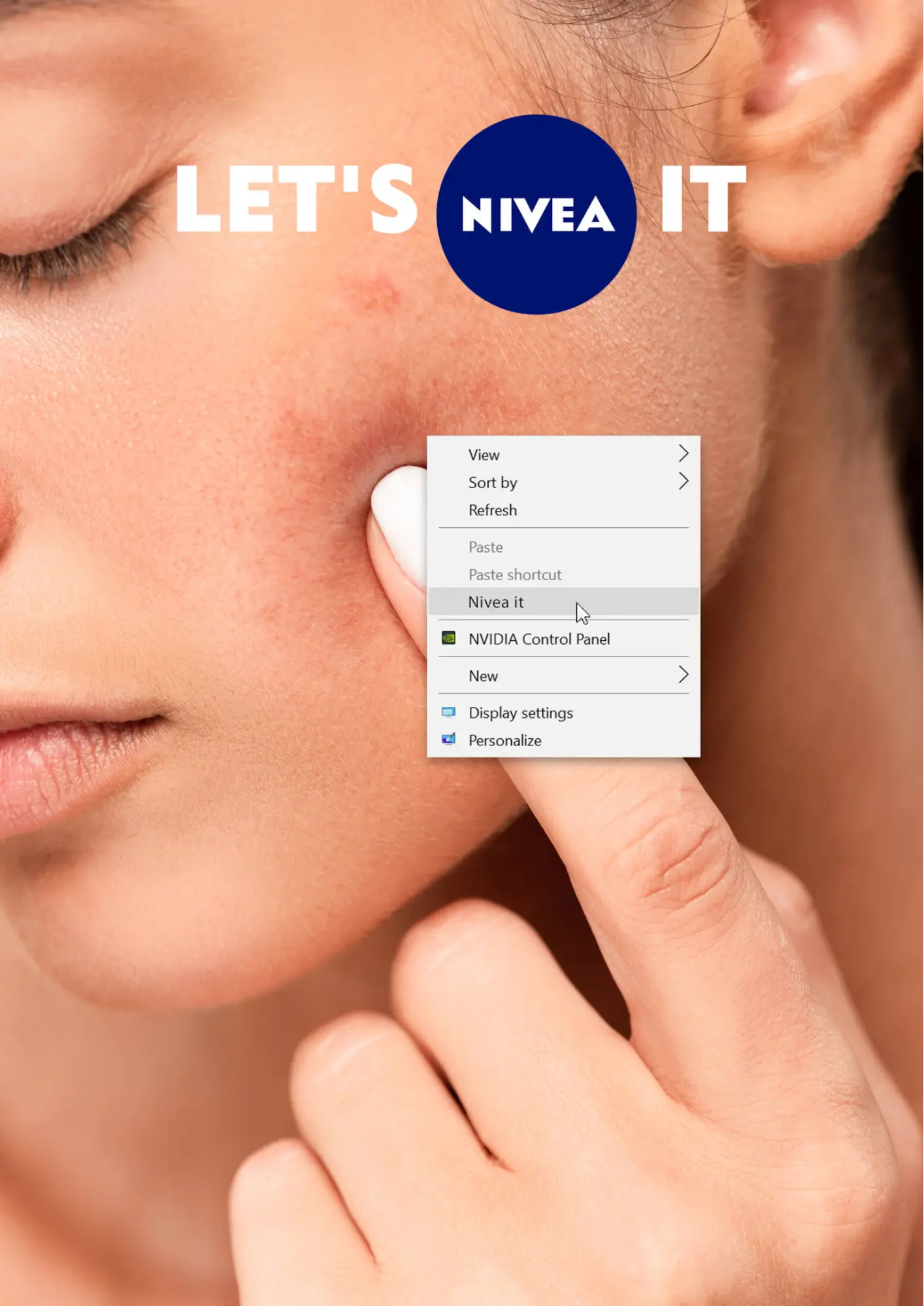
You’re not attractive enough? Buy our skincare products.
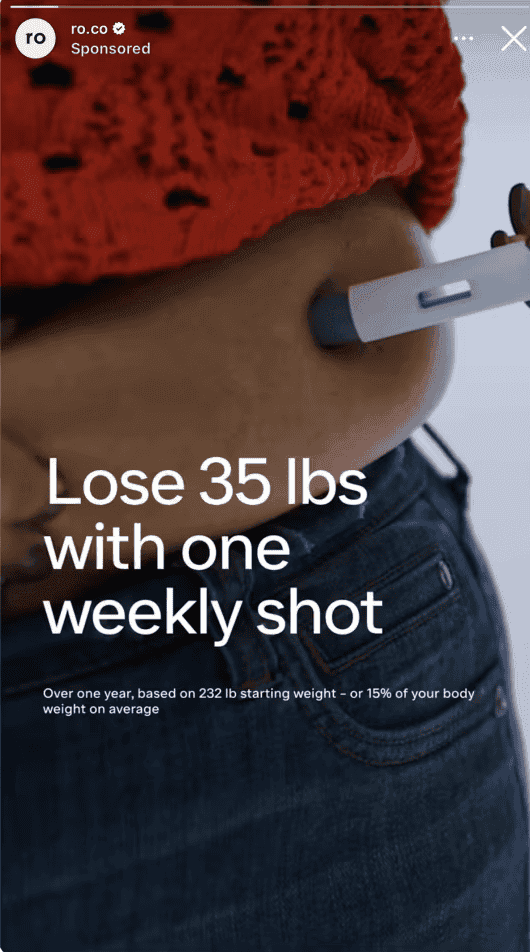
You’re overweight? Buy our weight loss drugs.
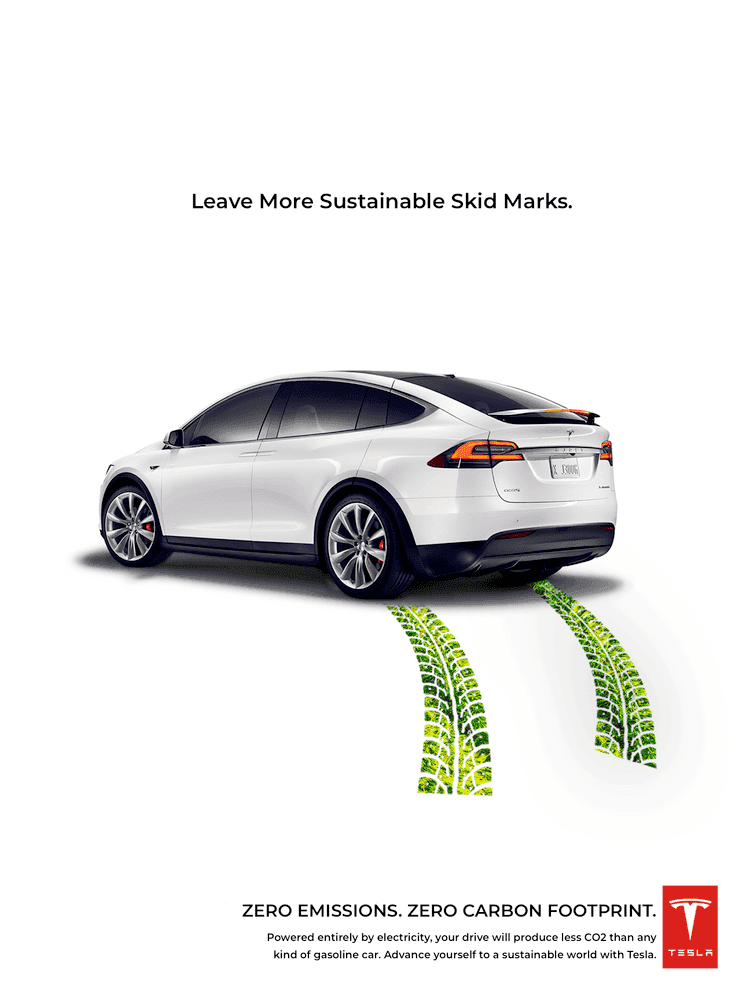
The weather is changing? Buy our electric cars.
I’m sure you can think of many more.
Sometimes, as is the case with obesity, the problem is very much real. But most of the time, the only lasting solution has to come from you. In the fundamental problems of life – health, wealth, and relationships, the best solution is the one that lasts and that can consistently be implemented, even if it takes some time to find. Sometimes the solution is very simple, but you have to understand the problem to realise why the simple solution works.
“What if society stopped telling us to buy more stuff and instead allowed us to create more space to breathe and think? What if society encouraged us to reject what has been accurately described as doing things we detest, to buy things we don’t need, with money we don’t have, to impress people we don’t like?”
― Greg McKeown, Essentialism: The Disciplined Pursuit of Less
Knowledge is one of the few things that is well worth the money you spend on it. And many businesses do provide genuine value. But it seems to me that in a lot of cases, humans have invented problems in order to sell the solutions.
So before you buy anything, ask:
What is the problem this is solving?
Is it actually a problem?
Are the business interests aligned with my own?
Does this product or service actually give me the benefit it says it does?
And most importantly, is there a simpler solution?
You will probably find that there is.
